
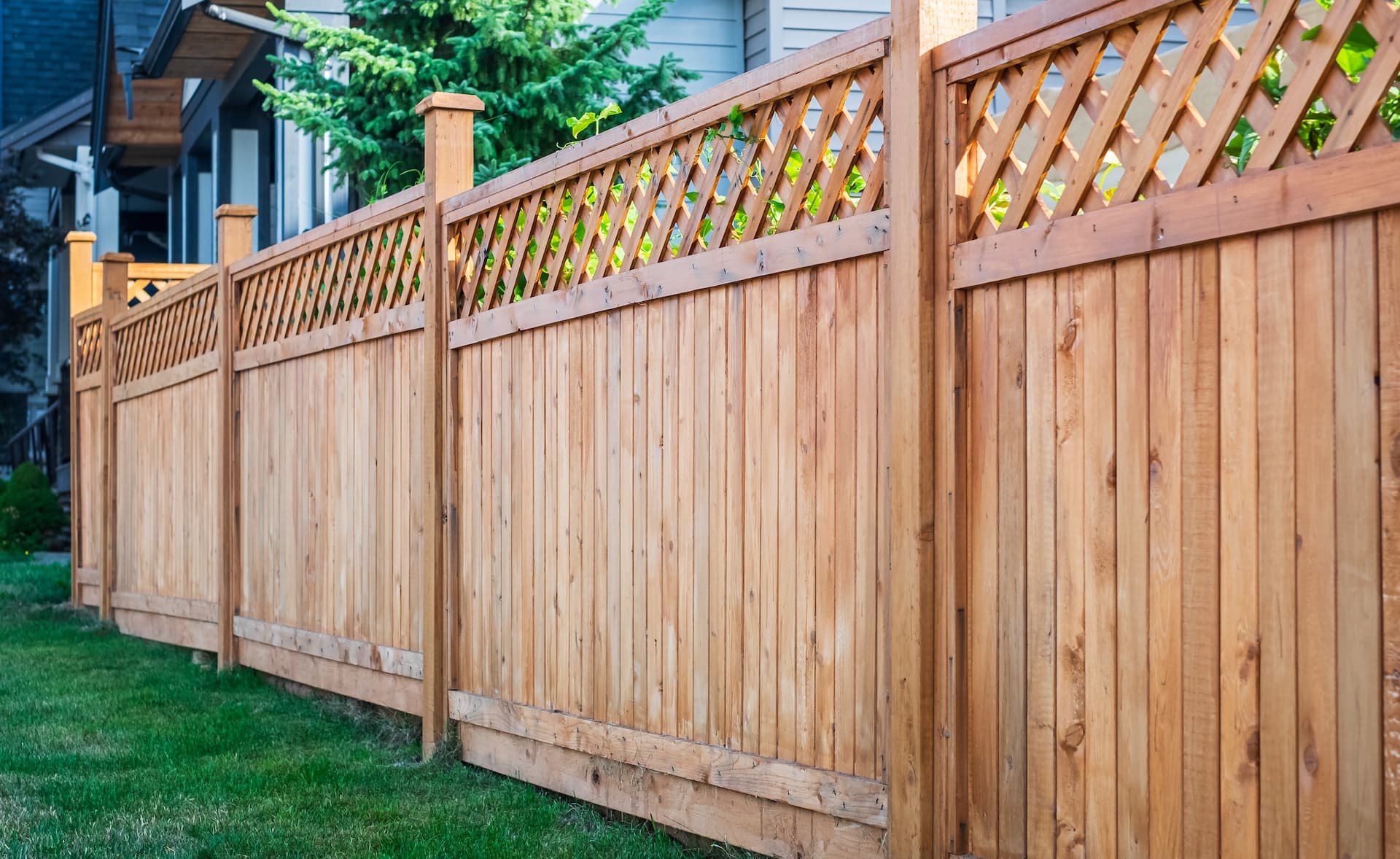
Garden fences take a real battering once winter storms arrive, and a panel that looks fine in December can be flat on the lawn after one bad night of wind. If you are thinking about winter fence maintenance, Bristol gardens often need attention before the coldest months hit. A little preparation now can save you an unplanned repair or a full replacement later on. Here is what is worth checking before the weather closes in.
Why Fences Struggle Most In Winter
Wind is the biggest threat to most garden fences. Particularly panel fencing that acts almost like a sail once gusts pick up. Combine this with waterlogged ground, which loosens post foundations, and it is easy to see why so many fences fail. Checking your fence during summer months, while the ground is firmer and the weather calmer, gives you a proper chance to fix weak points before they are exposed.
Check Posts For Movement Or Rot
Give each fence post a firm push and see whether it flexes at the base. Movement usually means the concrete footing has cracked or the timber has started to rot below ground level. Both weaken the whole section. Wooden posts are particularly prone to rot where they meet the soil. So it is worth looking closely at this area even if the rest of the post looks sound. Metal fence spikes and brackets are worth checking too, as rust can weaken a fixing just as effectively as rot weakens timber.
Look Closely At Panels & Fixings
Cracked, warped, or splitting panels are far more likely to fail under wind pressure than solid ones. So replacing damaged sections before winter is worthwhile rather than waiting for a full collapse. It is also worth checking that fixings, brackets, and gravel boards are secure, as loose fittings are often the first thing to give way in a storm.
Consider Whether Fully New Fencing Makes More Sense
If several sections of your fence are showing age, patching one panel at a time can end up costing more overall than a coordinated update. Our fencing service covers everything from targeted repairs to full replacements, so we can advise honestly on which approach suits your garden and budget best.
Clear Vegetation & Drainage Around The Base
Ivy, overgrown shrubs, and leaf build-up around fence posts can trap moisture against the timber, speeding up rot. Clearing this away, along with checking that rainwater has somewhere to drain rather than pooling at the base, helps posts last considerably longer through the wetter months. A simple gap between soil and gravel board also makes a noticeable difference, allowing air to circulate instead of trapping damp against the wood.
Treat Timber Before The Wet Weather Sets In
If your fence is untreated or the existing coating has worn thin, applying a fresh layer of preservative before winter helps timber resist moisture rather than absorb it. This is a straightforward task can be incorporated into your fence maintenance on a dry autumn weekend and can meaningfully extend the life of an otherwise sound fence. Especially on posts and lower panel edges that sit closest to the ground.
Do Not Forget The Rest Of The Property
While you are thinking about winter preparation, it is worth remembering that fences are rarely the only exposed feature on a property. Roofs face similar seasonal pressure from wind and rain, so if you have not had yours checked recently, our roof repair team can carry out an inspection at the same time, saving you arranging two separate visits.
Frequently Asked Questions
How do I know if my fence needs repairing before winter?
Push firmly on each post to check for movement, and look closely at panels for cracking or splitting. Any give at the base or visible damage is worth addressing before storms arrive.
Is it better to repair individual panels or replace the whole fence?
This depends on the fence’s overall condition. If several sections are ageing at a similar rate, a full replacement often works out more cost effective than repeated individual repairs.
Can wind really knock down a solid fence?
Yes, particularly with panel fencing, which catches wind like a sail. Weakened posts or loose fixings make a fence far more vulnerable to being blown over in a storm.
How long does a fence installation usually take?
Most residential fencing projects can be completed within a day or two, depending on the length of the fence and ground conditions.
Do you install and repair fencing across Bristol?
Yes, we carry out fencing repairs and installations across Bristol and the surrounding area, alongside our roofing services.
Contact Tom’s Roofing & Property Maintenance For Fence Maintenance Before Winter
Simple fence maintenance now can save you from an emergency repair once winter weather sets in properly. Our team has helped homeowners across Bristol strengthen and replace garden fencing for years, and we are happy to give an honest assessment of what your fence needs. Contact our team to arrange a visit before the colder months take hold.